 |
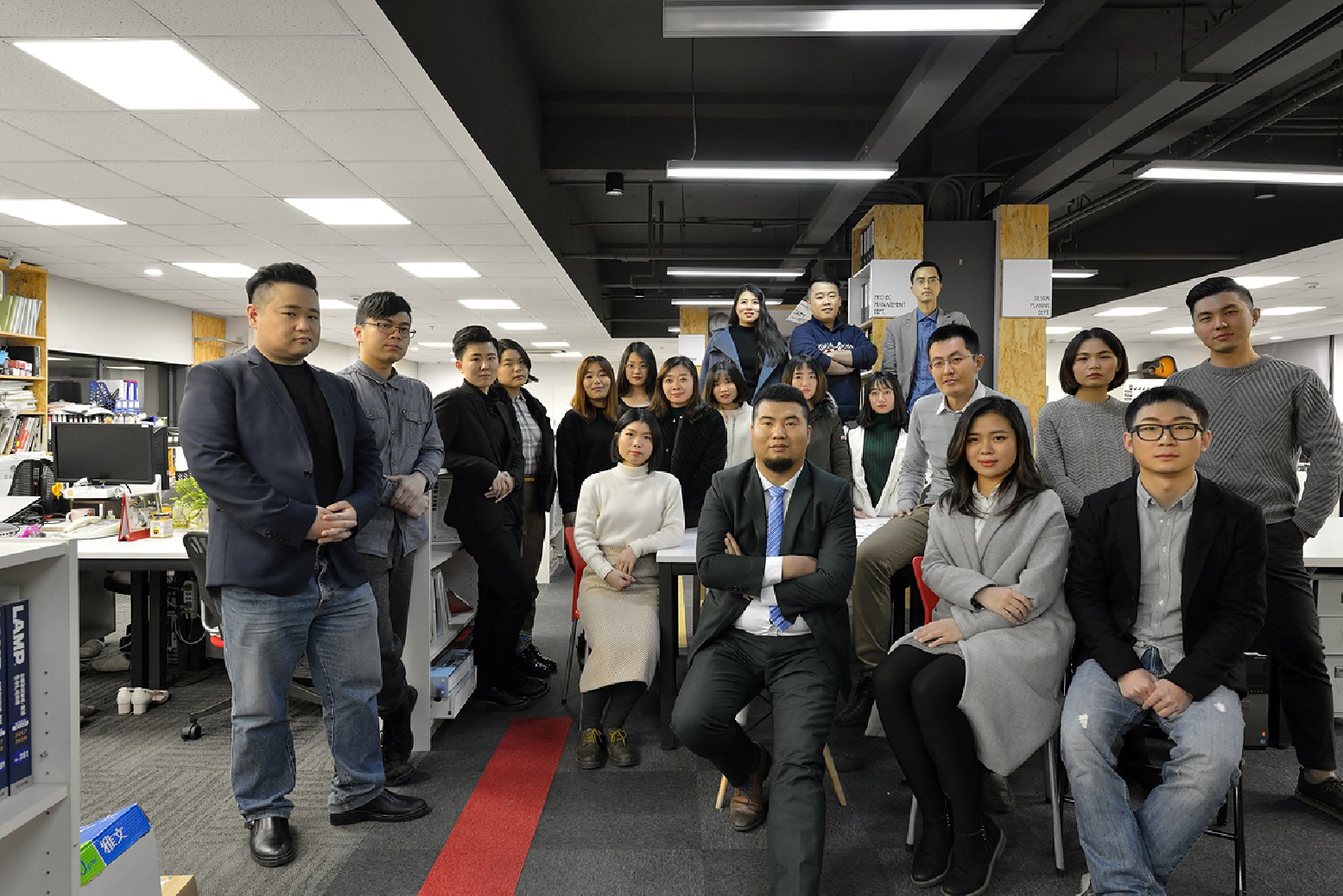
BOXI is headquartered at No. 223, Xikang Road, Jing'an District. After years of precipitation, BOXI has created a team with ideals and feelings for design. They believe that the sign is the carrier of architecture and landscape and decoration, as well as the creator of art and the enhancement of brand value. The sign design should respect the harmonious unity of architecture and the environment. Mooool gathered the landscape segmentation industry, and the following interview was conducted with BOXI professional sign design team. | 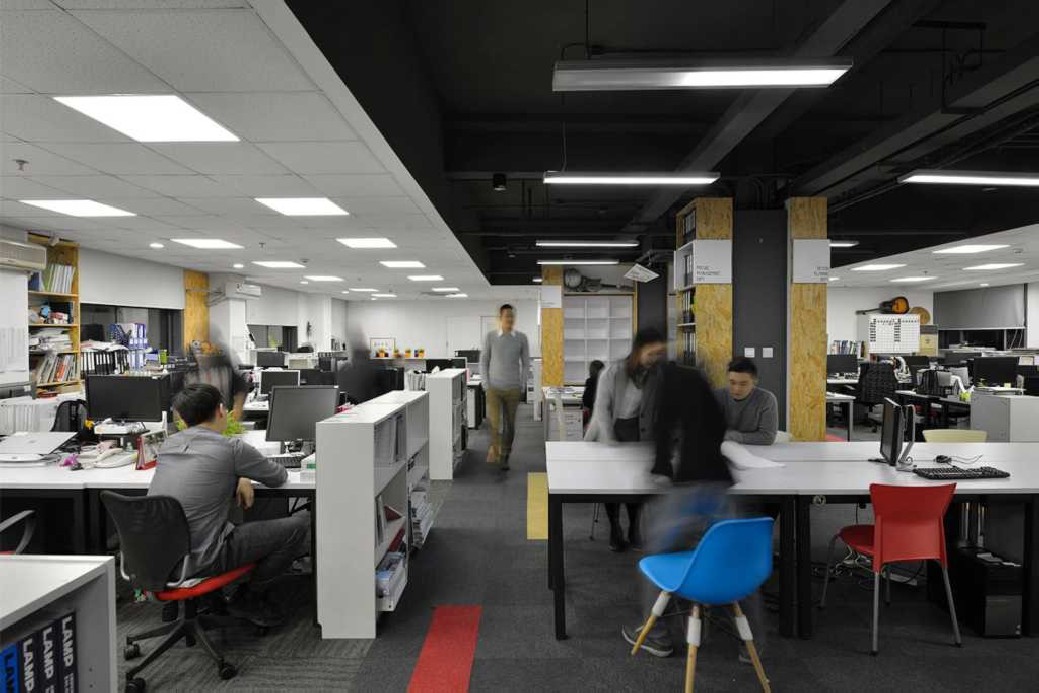 |
 |
Q: Can you brief us on BOXI and its growth process? A: BOXI is a design company that combines architectural landscape with master planning, graphic design, branding and identity. Our team consists of graphic designers, product designers, architects, landscape architects, and urban planners. Everyone has been interacting with each other in these areas, trying to use cross-domain thinking to gain a new design experience. . Therefore, if you ask us about the growth process of BOXI, we think it is a process of mad exploration in the interdisciplinary and cross-domain boundaries. This process seems to be nothing, but it can combine the single elements of all professional design with the most reasonable connection. Exploring is more than just growing up.
Q: Why choose the sign design industry?
A: Many people will say that choosing an industry is for some kind of love. We are the same. But we would like to share here, the reason that the sign design industry has fascinated and loved us. Initially we did the sign design, just to satisfy the extension of some traditional function in a project system, only considering the form following function. But now, with the continuous improvement of the living standards of the people, urban planning, parks, residential quarters appear on a large scale, the environmental design of residential areas is changing with each passing day, and the user experience is constantly upgrading, so that the design methods and forms of thinking need to follow the "drama" and do " Tell the story. This is a process from “will be” to “speaking”. Following the upgrading of the industry and completing its own iteration, the sign design industry is equally promising, and it is worthy of attention and follow-up by design enthusiasts.
Q: It is understood that BOXI team has reached more than 40 people. Do you think this is a “big company” in the sign industry? What stage does BOXIe have now reached your ideal blueprint?
A: From the perspective of domestic industry development, the sign design and design team of more than 40 people is still relatively small. However, we are in the field of border design and cross-domain design. This invisibly drives the increase of workload. The small partners need to cooperate for multi-dimensional professional exploration. We are also very pleased to see that more and more owners trust and recognize us. In the past few years, we have used the traditional way of working, but it is very difficult to solve the problem of identification. Now, the design thinking of the boundary promotes and assists us in solving problems, and at the same time requires us to understand the psychology of space. Cleverly blending space in the design will also be the direction we will continue to follow in the future.
|
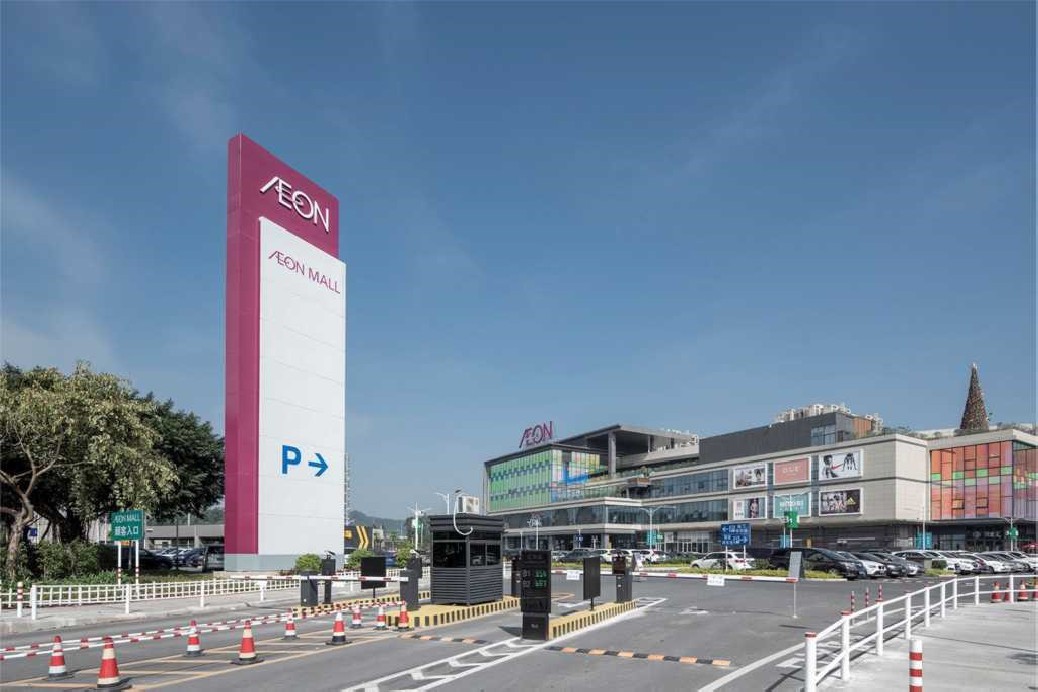
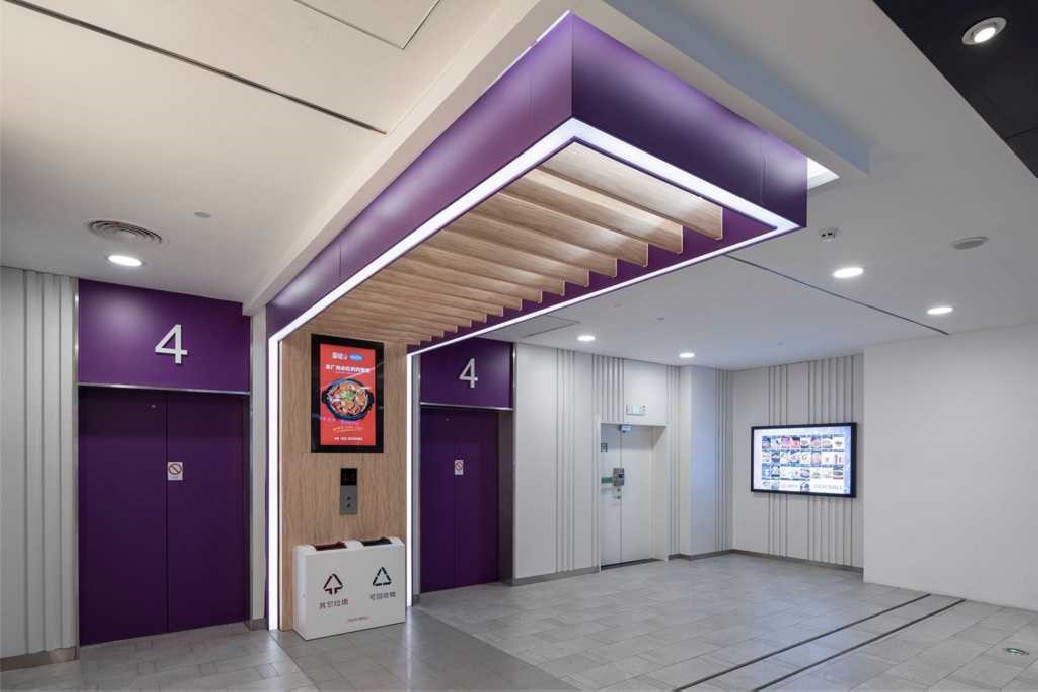
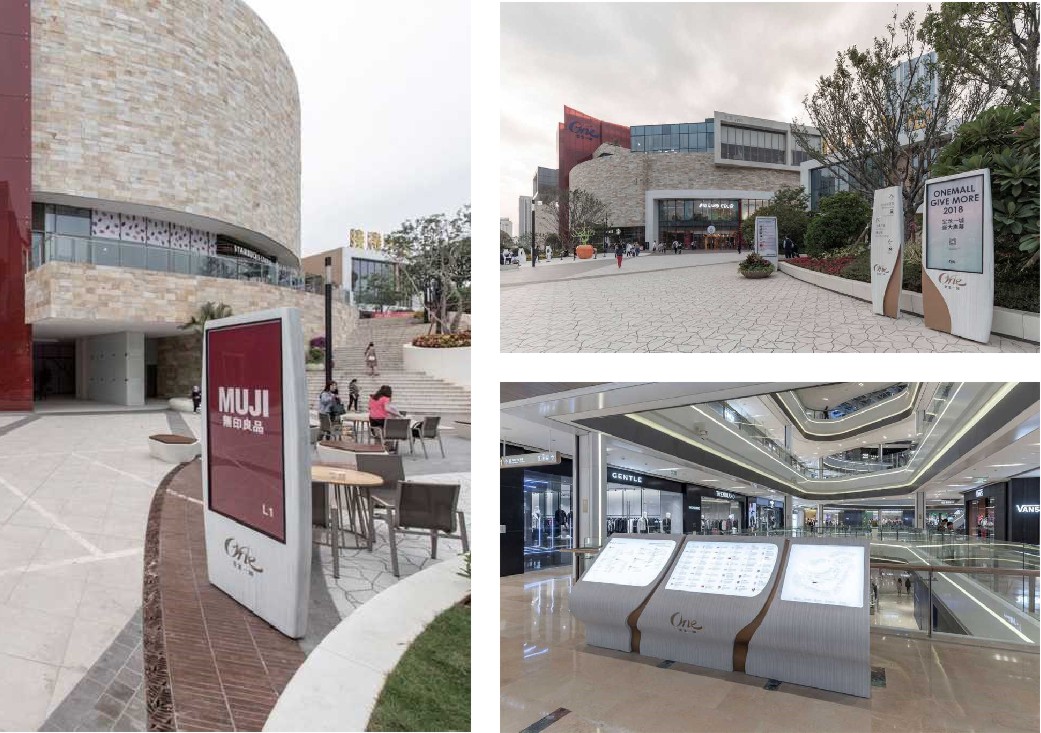
Q: Do you think that the style of your work can be summarized? A: This question, we want to use some international projects we have done to interpret. Not long ago, we participated in the design of the AEON commercial project in Japan. The owner discussed in depth the relationship between the venue and the people, the habits and movements of the people. More is to understand the space of the building, understand the human psychology, which makes our sign pathfinding design also undergo a great change, to pay more attention to solving the "human problem." The design style should be customized according to the above requirements. In the AEON project in Cambodia, it is necessary to combine the culture and traditional crafts of Cambodia to understand their way of life and work, in order to find the point where the pigments we use are integrated with their favorite totems. It is very important to have a design that transcends the plane in order to gain local understanding.
Another example is our project in Fumeixing, Hu Zhiming, Vietnam. Young people in Vietnam like to take pictures, and any place will become the next red card for the next Vietnamese young people to take pictures. In this environment, the style of the works we are positioning will also change. We chose the theme creative IP for environmental label design, combined with interactive devices to create a rich and interesting network red card for local young people. This is a search for a combination of traditional signs with a sense of experience and fun design. So as you can see, our design is all about interpreting the needs of the project. Each project has its own unique characteristics, so the sign will naturally lead to multi-dimensional thinking.
|  |
|
|  |
|
|  |
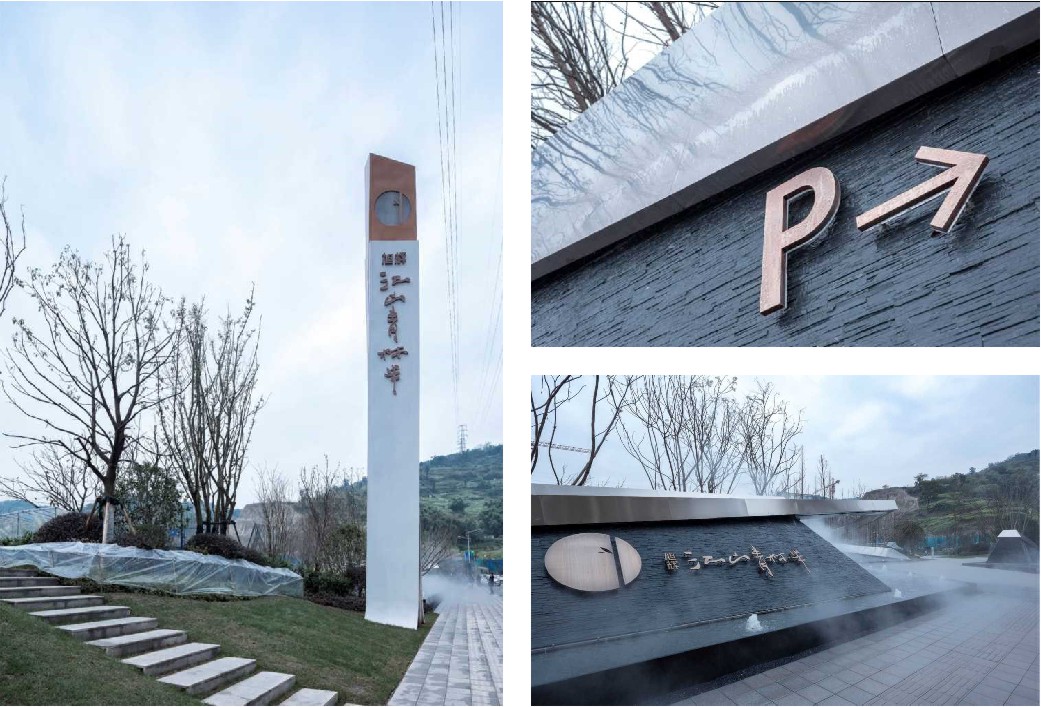 |
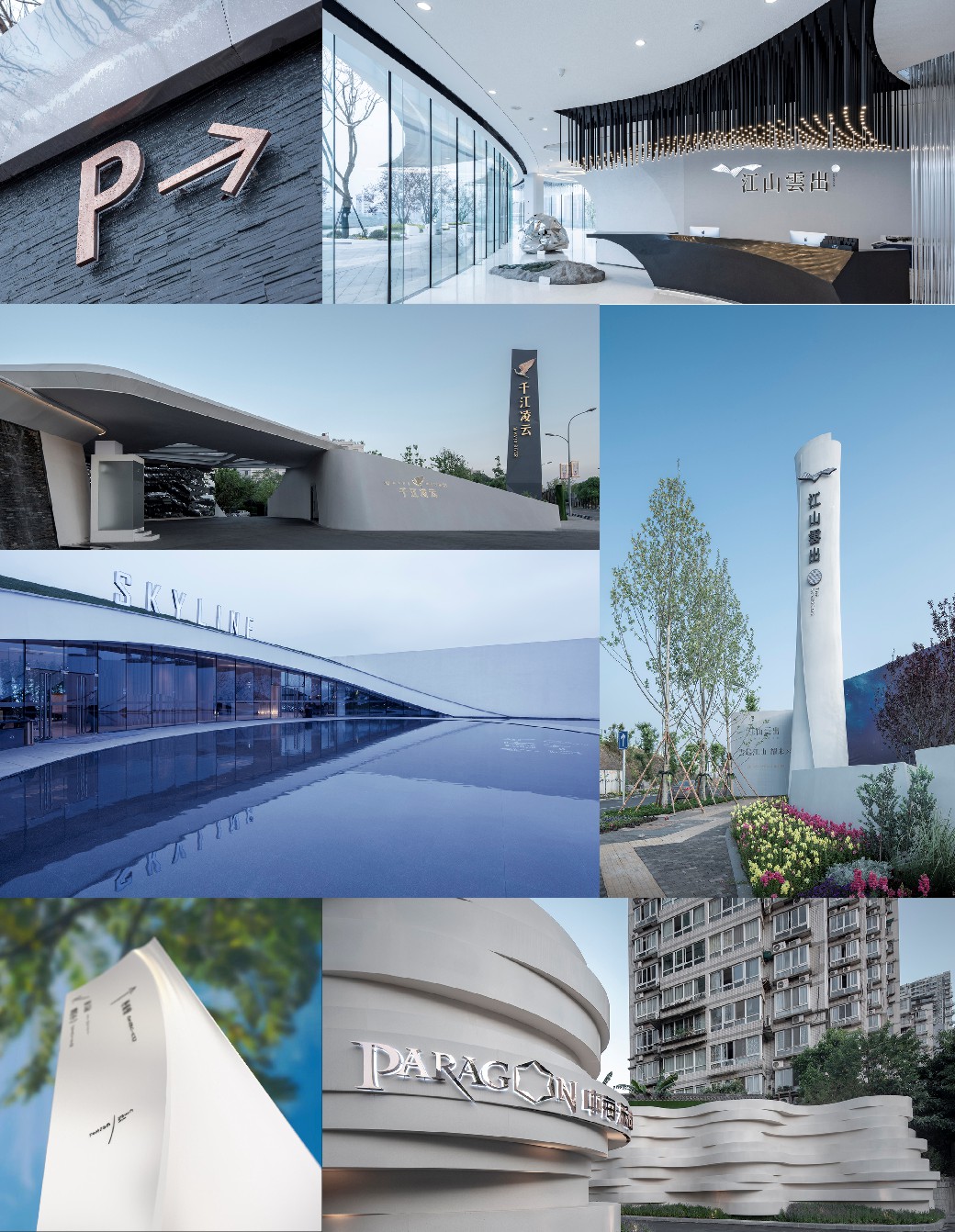
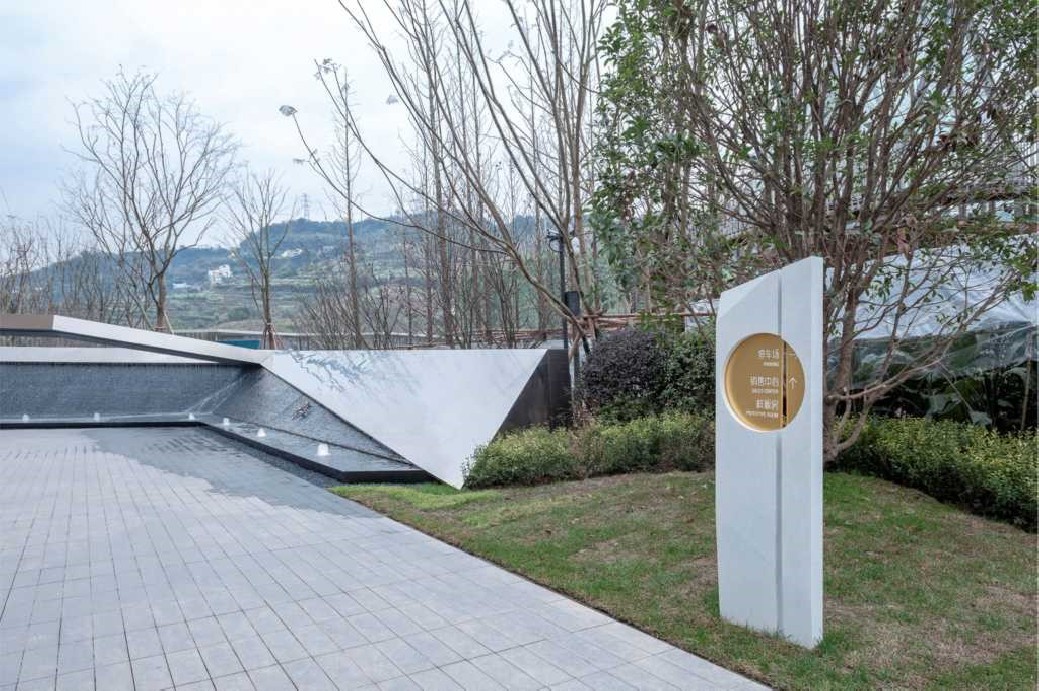
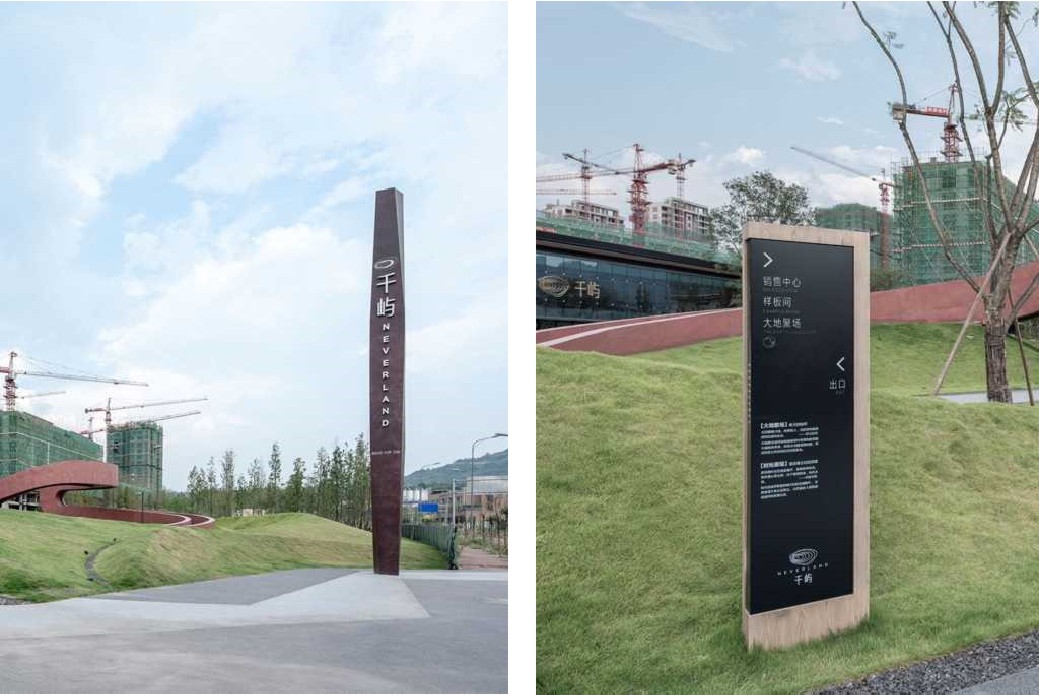
Q: Do you want your work to stand out in architecture and landscape, or naturally blend into architecture and landscape? How do you define the role of "identity design" in the project? A: Before we do each project, we must first consider the environment. We design the user and the environment, including the user's action route, how the architectural and landscape signs seen in the large space should be reflected, and so on. We often say that we must retreat 5 meters or 10 meters to see the relationship between the sign and the environment, in order to understand the relationship between the building and the environmental space. To make the connection between the user and the built environment, the design of the sign makes sense. We recently participated in the design of a more distinctive project: Located in the Banan District of Chongqing, LEGENDARY LAND AND POETRY LIFE. We were involved in the design phase earlier, architectural planning and subsequent landscape and interior design, and we were all involved. This project is centered on half of the Qingcheng half-city, and it is called “Jiangshan Qinglin Half”. From LOGO design to architectural design, to landscape and interior design, the same theme is presented to the user. What role should the sign play next? Xuhui Jiangshan Qinglin Half has a very obvious familial and planning mix. When we start to identify visual design, we see that such a big blueprint, we believe that the mission of the sign is to break up the various professions and combine them. The user clearly sees the story behind it. The story is to combine architectural, landscape, interior and other design with sign design and graphic composition to create a seamless and intuitive visual integration.
|
 |
|
|
For another example, we have just participated in the Kunming Longfor Fuxian Lake sign visual integration design project. They have an amazing architectural design, and the design of the project is how to connect the mountain to the lake. This is not only a question that architecture needs to consider, but also a question that every design profession needs to think about. Originally, Yunnan had two kinds of leaves, one was tea and the other was tobacco. Using the IP of the leaves to create the elements of the design, the architectural design is like a leaf floating quietly between the lake and the mountain. Under such a large pattern design, I think the role played by the sign will also stand out. | 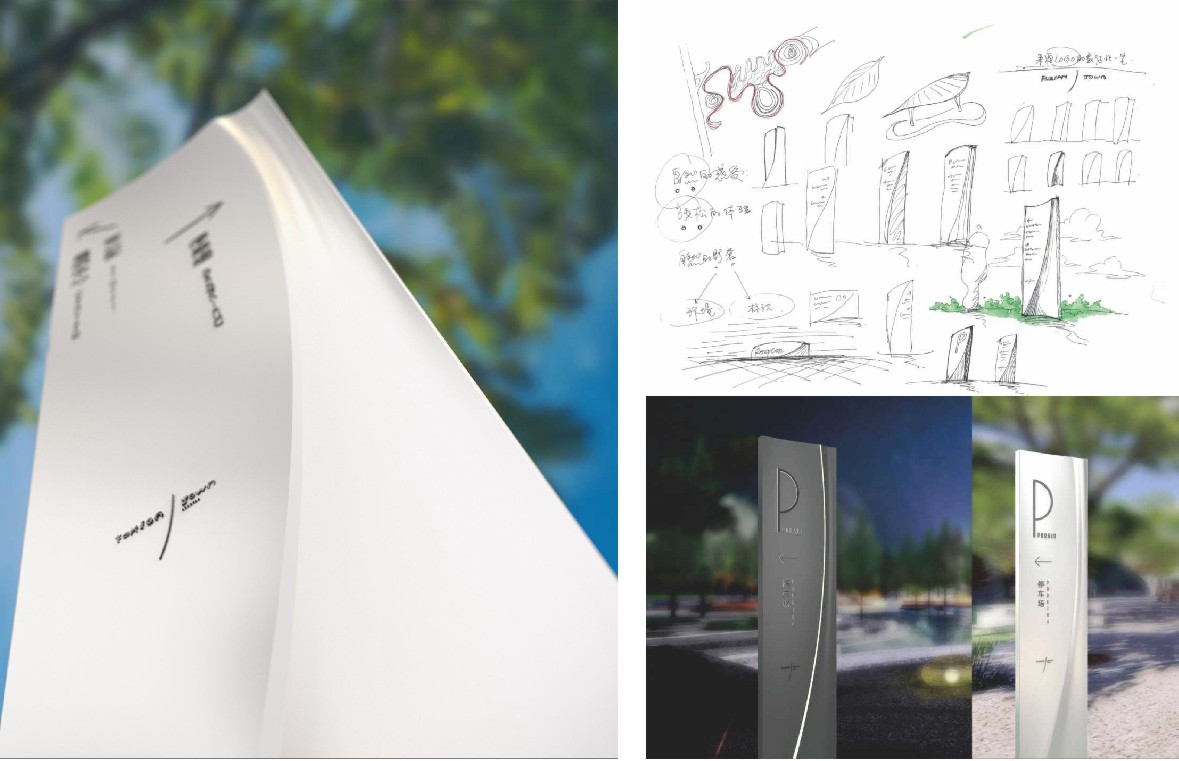 |
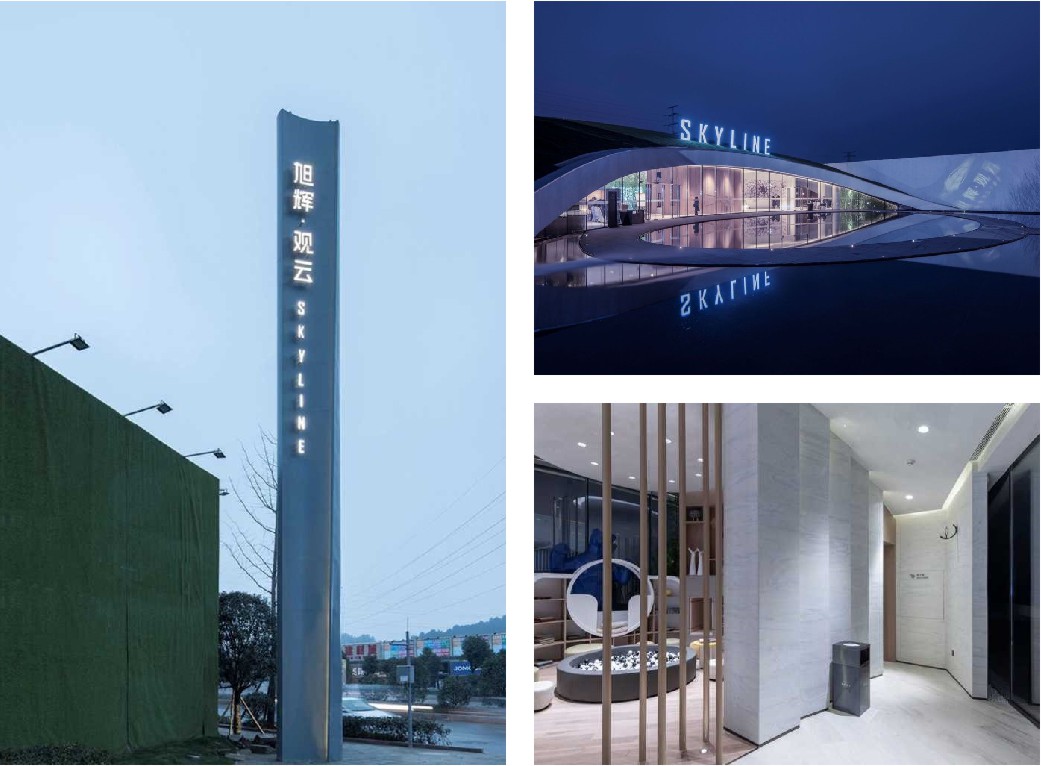 |
Q: In addition to personal subjective judgment, what other criteria do you think can indicate that your design is successful? Is the ultimate user experience the only criterion? A: Our standard should be to understand the building environment around the project through face-to-face communication with customers, to look at the project from the perspective of the user, and to see the interface between people and the environment.First, understand the customer's experience and understanding of the project, and the various factors need to be integrated. Then use the architectural features we have and the environment itself to better read the space. From understanding the sign integration design to the vision of the project itself in the architectural story, how to design and divide the sign of each large, medium and small node to meet the user experience is the only standard, and the location must be the highest.
|
Q: You have designed many signs of recent popular landscape projects. What do you think are the highlights of them? Why are they hot? A: This is also a very good question. We feel that an excellent building and landscape design is designed to solve the problem of the integration of the surrounding environment. By solving this problem, you can continue their excitement and enthusiasm. On the contrary, if it has nothing to do with the surrounding environment, even if it is designed to be luxurious and luxurious, we can hardly say that it is truly wonderful. Therefore, it is also very important to consider the design of the sign from environmental factors. Excellent design will give meaning to the place. Excellent design is the echo of architecture and nature, terrain, history, and all the specific conditions around it.
| 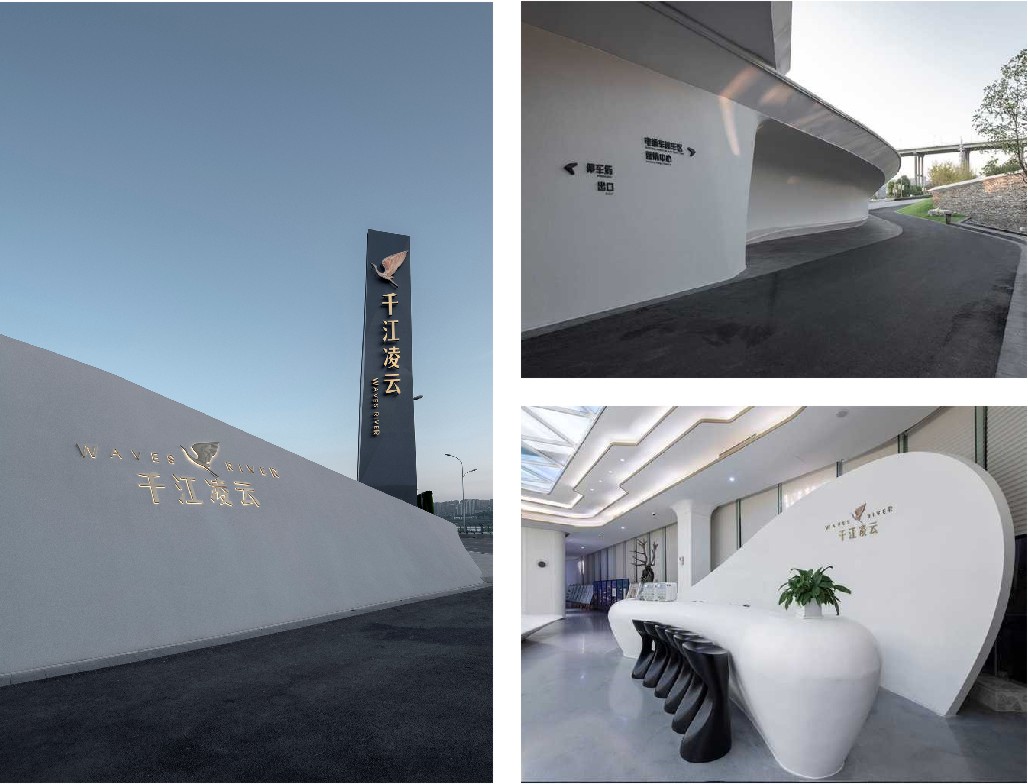 |
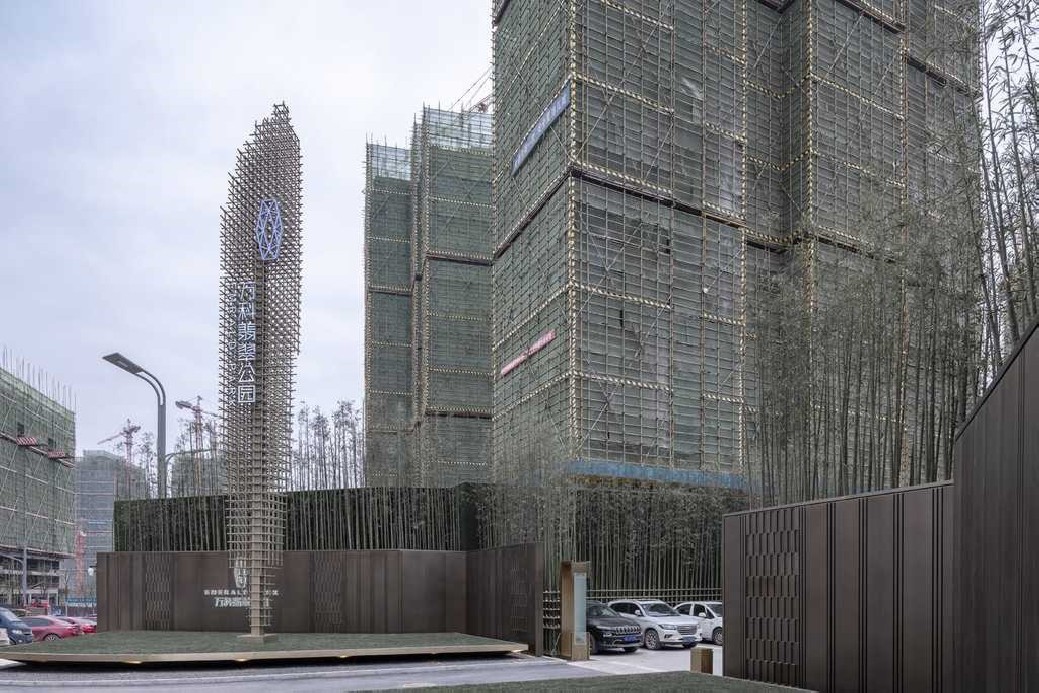 |
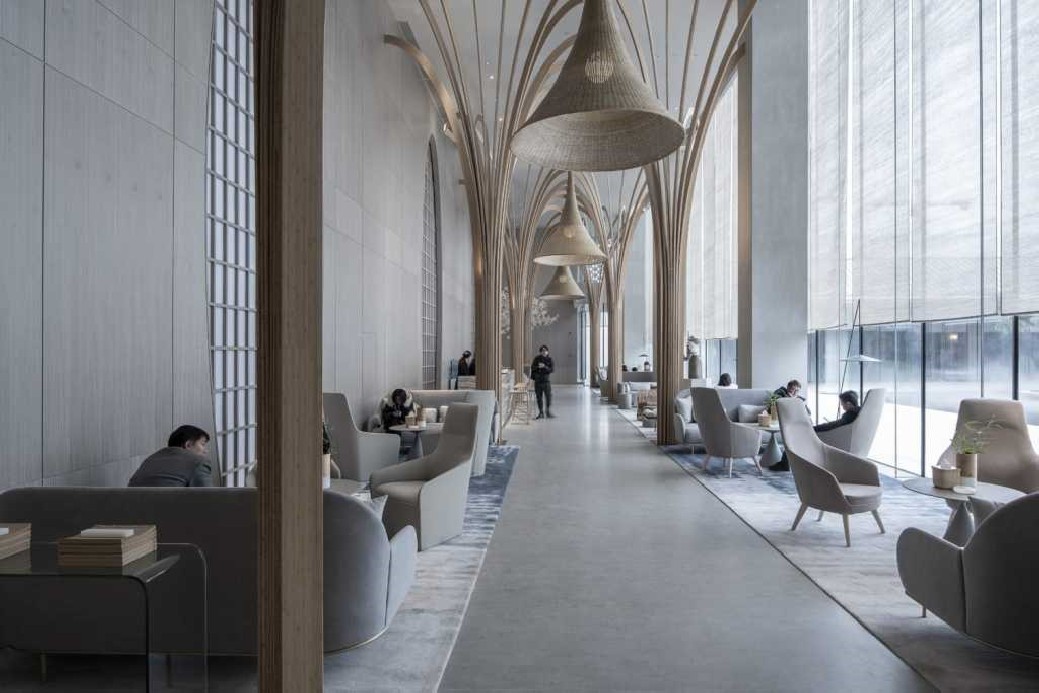
Q: In addition to residential visual marketing design, what are the artistic sign design attempts? A: Before answering this question, we would like to mention the architecture and design of religion. The experience of religious architecture and design is very strong, and the totems and patterns on it will permeate every corner. For example, the window grille of the building, the enclosure of the landscape, the ceiling of the interior, the style of the soft decoration, the pattern of the furniture, the pattern of the LOGO and the album propaganda, etc., are all complete and interlocking designs. So when people enter such an environment, they can quickly feel grandeur and ritual. This is the emotion and emotion created by the experience environment, using the emotional symphony created by color, texture, vision and touch. Of course, the sign is no exception. We have done such artistic and holistic design on many projects, such as: VANKE TOPVILLA, 1891 IMPRINT, SHUNSHAN MANSION, VANKE EMERALD PARK. |
 |
|
|
Q: Landscape design will adopt different design methods according to different project types. Is the sign design the same? A: We think so. Because each project has its own "personality", all designs should be developed for this "personality", and should not be played at will, or even static.
Q: How do you generally get design inspiration? What is your definition of the sign design master?
A: As usual, we like to listen to the opinions of the owners and customers. In the process of communication, we often get shocked. There are many stories behind each project. It is the source of our inspiration to organize these stories and analyze them with data.Masters are masters because they can stand up to the highest point to consider sustainability issues. This should also be the case for sign design masters, with the ability to integrate the single elements of all professional designs into the most reasonable connections. | 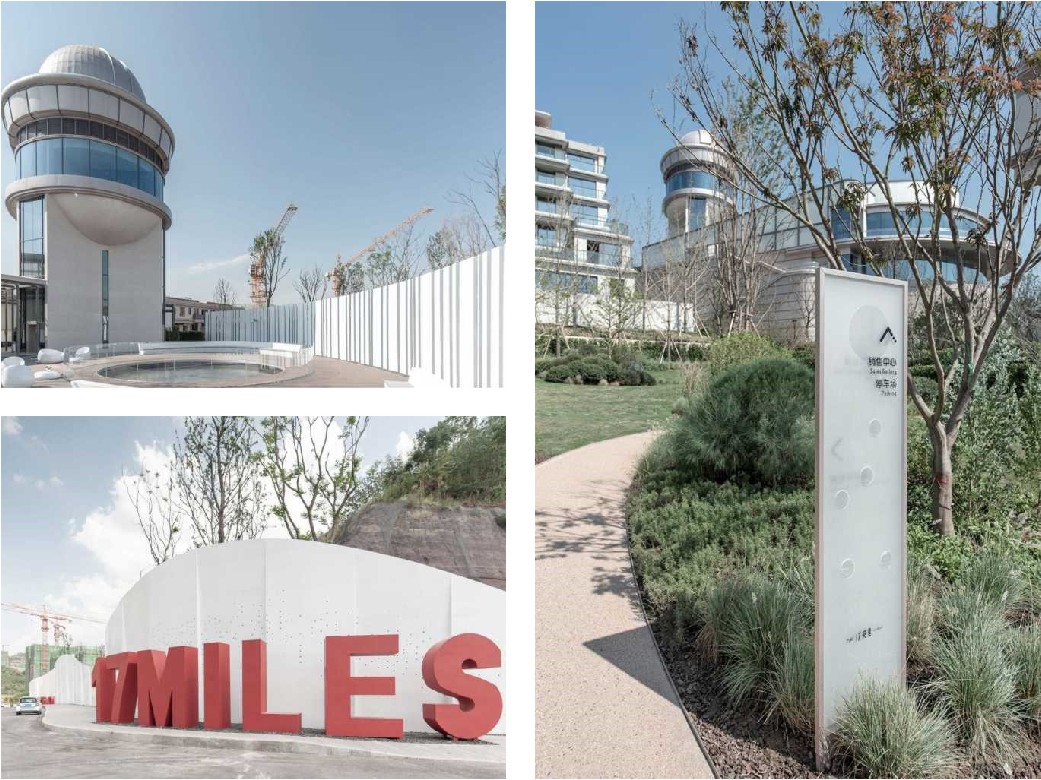 |
 |
Q: What is your design process? How long does it take from concept to construction? A: Our service is full of processes, and we will cooperate and supervise until the final stage of construction. And this time period will vary greatly depending on the type of project and the difficulty. For example, a small-scale residential marketing center, the design cycle can be completed in a month or so; and a larger commercial project, or municipal public construction, will involve many factors such as post-delivery tracking services, and may even be long. Up to several years. |
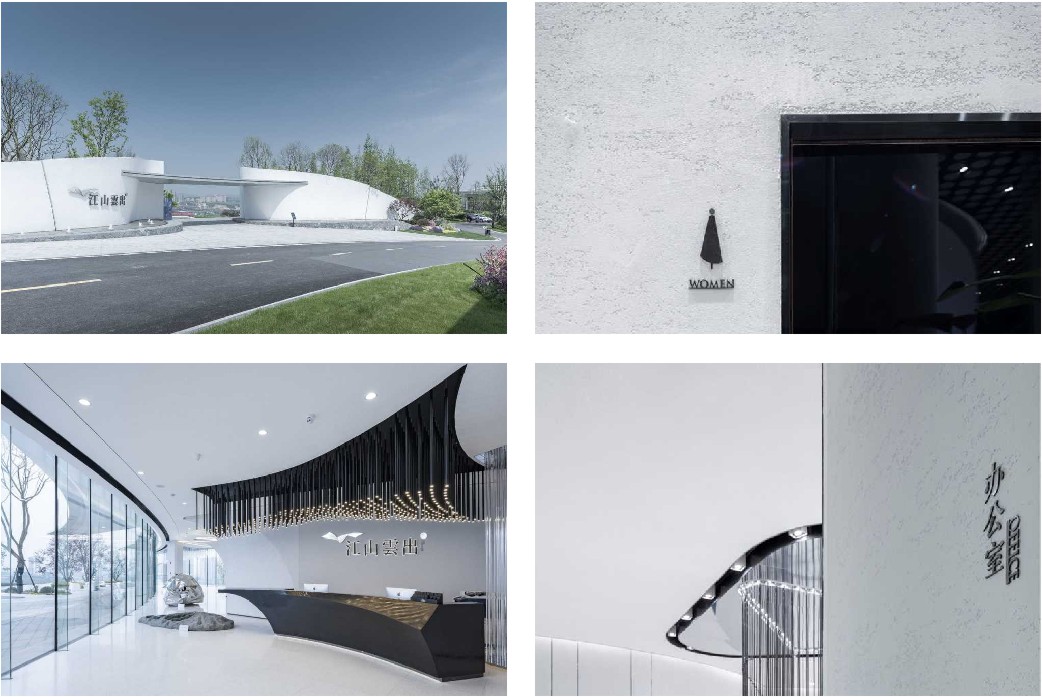
Q: What are the new expectations for the project? What new attempts have you made recently? A: "The future of sign is no longer just a sign." Therefore, we must take the initiative to think now, and the future sign can be realized under what conditions. A core purpose is to grasp the spirit of the soul to design. As we know, mosques have more than domes and spires.Recently, we have made some new attempts at the Xuhui Jiangshan Cloud Project. The site of this project is located on the ridge to the high point and overlooks the Jialing River in the west. It has a superior landscape and is an excellent landscape platform. The design focus of our sign is to give full play to the site's high point and create a soulful sign design. After conducting a well-considered and logically clear analysis based on the existing conditions and variables of the project, we hope that our design will become a player in this.
Q: The last question, seeing that you are talking more about cross-border and integration, how should the sign think about the future direction?
A: Let's take IPHONE as an example. The revolution of Apple's mobile phone user experience: from the physical button to the HOME button, from the beginning to meet the needs of individual user experience, IPHONE has led a new era of Internet mobile terminals. There is also TESLA Tesla's futuristic driving experience: IT car and new energy, automatic driving, automatic parking, etc. are all meeting the higher demands of users for environmental protection, technology and taste. With the advent of the era of Internet and artificial intelligence, in fact, practitioners in every industry and every industry cannot stay out of the way. Therefore, looking at the future with the eyes of the times, we feel that the development of sign is also faced with the task of finding new opportunities in traditional thinking.
|  |
 |
In the constant communication and collision, exploration and breakthrough, the sign design industry is gradually maturing from maturity to maturity. No matter how the sign design develops, some of its core elements will last forever—that is, people and environment people and ecology will live in harmony. Constantly explore the needs of customers, and constantly pursue breakthroughs and integration. |
|
|
|
|
|
|



